


Rhythm Dash
4.610.00 Reviews
App Specs
- Version
- 1.0.29
- Updated On
- License
- Free
- Downloads
- 1,000,000+
- Developer
- MayaGameStudio
- Categories
- Music
- Platform
- Android
Screenshots
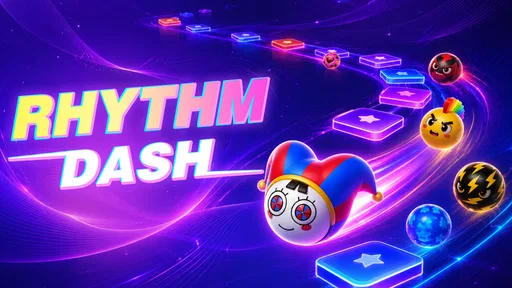
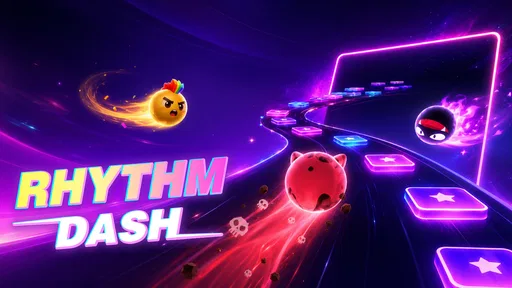
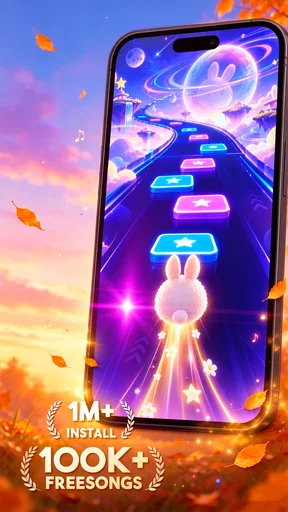
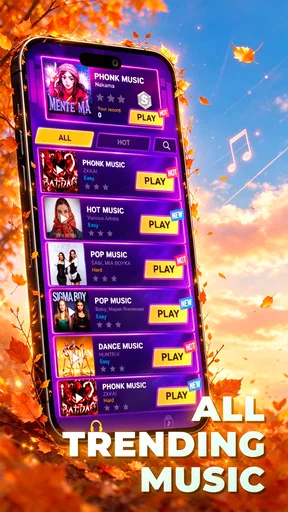
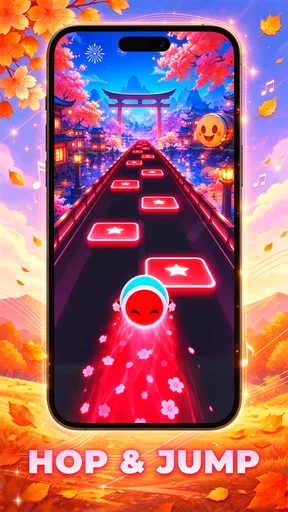
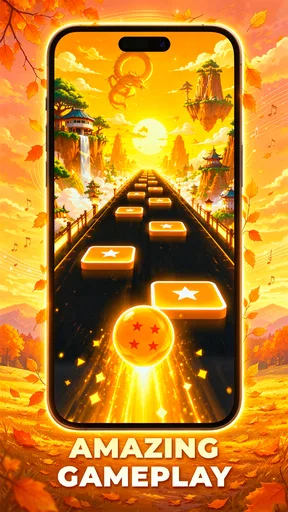

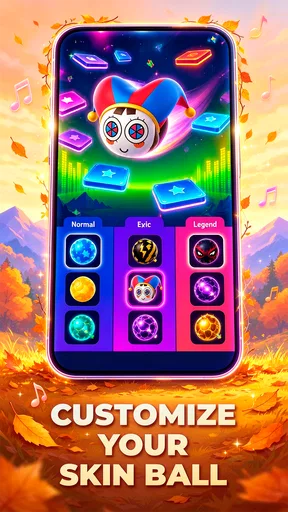
 Analysis by AppCompare
I tend to enjoy music games most when their visual style and timing work together, rather than when they rely on a busy screen or complicated controls. That is the lens I brought to Rhythm Dash, a free music game from MayaGameStudio. Its colorful presentation gives the action an upbeat feel, and its central appeal is easy to understand: stay with the beat while the play space changes around you. I’d consider it for short sessions when I want something more active than listening to music but less involved than a long strategy or story game.
Getting into the Groove
Right off the bat, Rhythm Dash grabs your attention with its vibrant colors and electrifying soundtrack. The premise is simple: you have to tap, swipe, and slide your way through various levels, each with its own unique musical score. The aim is to hit the notes in time with the music, which gets increasingly challenging as you progress.
The game’s interface is intuitive, making it easy to jump right in. Whether you’re a seasoned gamer or a newcomer, you’ll find the controls straightforward. The first few levels serve as a tutorial, easing you into the mechanics and rhythm of the game. The developers have done a great job ensuring that players of all skill levels can enjoy the experience.
That simplicity is useful when I have only a few minutes to spare: the basic idea is clear without asking me to learn a long list of systems first. Rhythm games can be unforgiving if their controls feel like a puzzle before the music starts, so an accessible opening is a real strength. I would still treat the early stages as practice rather than proof that every later section will feel easy. Once patterns grow more demanding, the same intuitive controls require concentration and repetition.
The Music That Moves You
The music in Rhythm Dash is nothing short of fantastic. It features a wide range of genres, from upbeat pop to intense electronic tracks. Each level feels like you’re stepping into a new world, thanks to the dynamic background visuals that match the music's vibe. The synchronization between the beats and the visuals is spot on, making for a truly immersive experience.
What I love is how the game encourages you to lose yourself in the music. There are moments when you’re so in sync with the beat that it feels like a dance party in your hands. And let’s be honest, who doesn’t love a good dance party?
The visual changes do more than decorate the play area: they help each musical passage feel like a distinct mood, and that gives the experience a bit of shape even when the central task stays familiar. For me, the best way to settle into a new track is to listen through its opening instead of immediately chasing a perfect run. I can pick up the pulse first, then focus on the visual cues and timing together. That small adjustment makes mistakes feel more informative and less frustrating.
Worth Reading Before You Choose

EA SPORTS FC Mobile 26 Is a Bigger Football Game, but It Takes Time

Flipboard Shows What News Apps Must Do Beyond the Feed

Switching to Android Auto Means Rethinking Your Driving Routine

Google Calendar Makes a Crowded Week Easier to Manage

Ludo King Makes the Most of the Minutes Between Plans

Baby Panda World Brings Quick Play to Modern Phones, but Its Game Library Feels Busy
There is a trade-off, though. A vivid background can make a rhythm game feel lively, but players who prefer a plain, high-contrast playfield may find a colorful presentation distracting during difficult sections. If you usually play with the sound low, too, you may lose part of the experience: the visual mood matters, but the music is central to understanding why the action feels satisfying. I’d choose a quiet moment and a comfortable volume for a first proper session, rather than trying to judge the game while multitasking.
Challenges and Progression
One of the things that keeps me coming back to Rhythm Dash is its variety of challenges. As you advance, the levels get trickier, with faster beats and more complex patterns. It’s incredibly satisfying to finally nail a challenging section after multiple attempts. The game rewards precision and timing, which makes mastering each level a rewarding experience.
There are also daily challenges and special events that keep the gameplay fresh. These often come with unique tracks and exclusive rewards, giving you all the more reason to log in regularly. It’s a clever way to keep players engaged without feeling repetitive.
My practical tip is to avoid treating every miss as a reason to restart immediately. On a new pattern, finishing the section can teach you more about how its timing develops than repeatedly replaying only the opening. Once I understand where I tend to fall behind, I can focus on staying relaxed and watching the rhythm rather than making hurried corrections. That approach is especially helpful when the music gets faster, because tense hands often make accurate timing harder.
The daily and event structure may suit someone who likes a small recurring reason to return, but it is less compelling if you want a game that can be picked up months later with no sense of routine. I would not make a daily task the point of playing; the most satisfying part is still improving at the music and patterns. If I miss a day, I’d rather return when I have the attention to enjoy a full run than open the game just to keep a streak of habit alive.
Community and Connectivity
Another aspect worth mentioning is the community feature. You can connect with friends, challenge them to beat your high scores, or even collaborate on certain challenges. This social aspect adds a layer of fun and competition, making the game even more enticing. Plus, the leaderboard is a great way to see where you stand among players worldwide.
It’s also worth noting that Rhythm Dash doesn’t bombard you with ads, which is a huge plus in my book. You can play uninterrupted for as long as you like, with the option to make in-app purchases for additional content if you’re so inclined.
The social angle is most appealing if you already have friends who enjoy comparing scores; a leaderboard can turn a familiar track into a friendly rematch. If you prefer to play privately, the core rhythm challenge still makes sense on its own, so I wouldn’t consider social competition a requirement. For a low-pressure routine, I’d focus on one track at a time and use a score comparison as a bonus, not as a measure of whether I’m “good” at the game.
It is also worth thinking about purchases before handing the game to a younger player. The game is rated for Everyone, and it is free to start, but optional in-app purchases range from $2.99 to $19.99 per item. That does not mean spending is necessary to enjoy a rhythm game; I’d simply make purchase expectations clear in advance, especially if a child can access the device’s payment settings. For adults, the sensible approach is to enjoy the basic experience first and decide later whether any extra content is genuinely worth it.
Where It Fits in a Music-Game Routine
Compared with music games built around building a collection, elaborate customization, or long-term progression systems, the appeal here is the immediate relationship between a track and the actions on screen. I’d choose it when I want to react to a beat and practise timing, rather than when I’m looking for a music library, a deep campaign, or a tool for making my own mixes. It sits closer to a quick reflex challenge than to a full music-production experience.
A realistic use for me would be a short break between tasks: I can play a level, notice one pattern that caught me out, and try again later with that in mind. It is a poor fit for a commute where I cannot pay attention to the screen, or for a setting where I need to keep my focus on a conversation. Rhythm play asks for active attention, and its strongest moments come when I can hear the beat and watch the changing scene without interruption.
For someone choosing between this and a more traditional rhythm game, the deciding question is what kind of feedback feels motivating. If you like colorful settings and a changing visual atmosphere around timed inputs, this style has a clear appeal. If you mainly want a stripped-back test of precision, a less visually expressive alternative may be easier to read. Neither preference is wrong; the right choice depends on whether mood or minimal distraction matters more to you.
The game has reached over a million installs and holds a 4.7 average from around 1.1 thousand ratings, which suggests it has found an audience, though popularity alone cannot tell me whether its particular style will suit you. Its current version is 1.0.16, and it was released on November 25, 2025. It is available at no cost, with optional purchases, and the listed minimum operating system is version 7.0. Those details make it approachable for many players, but I’d still check that my own device meets the requirement before setting aside time to play.
Final Thoughts
In conclusion, Rhythm Dash is a fantastic game that combines the thrill of music with the challenge of rhythm-based gameplay. It’s perfect for anyone looking to unwind with some tunes or test their reflexes. The game is available for both Android and iOS, so no matter what device you’re using, you can tap your way to musical mastery.
So, if you’re ready to lose yourself in the beat and challenge your musical prowess, give Rhythm Dash a try. Trust me, you won’t be able to put it down!
My more measured recommendation is to try it if you enjoy music-led reflex games and like the idea of a vivid world framing each challenge. It is especially suited to players who want a straightforward starting point, then gradual pressure as their timing improves. I’d skip it if you need a quiet, low-attention activity, dislike colorful visual movement, or would rather explore music than respond to it. For everyone else, it is a promising pick for a few focused rounds; just let the rhythm set the pace instead of expecting every session to be effortless.
Pros
- Intuitive controls make gameplay accessible.
- Vibrant visuals enhance the gaming experience.
- Wide variety of music tracks to choose from.
- Regular updates keep content fresh and exciting.
- Supports offline play for gaming anywhere.
Cons
- Limited customization options for avatars.
- In-app purchases can be quite expensive.
- Occasional lag on older devices.
- Ads can be intrusive during gameplay.
- Requires significant storage space.
FAQs for Rhythm Dash
What is Rhythm Dash and how does it work?
Rhythm Dash is a music-based game where players must tap and swipe in time with the beat to score points and advance through levels. It features a variety of musical tracks, each with unique patterns and difficulties. The game measures your rhythm accuracy and provides real-time feedback to enhance your timing skills.
Is Rhythm Dash suitable for all ages?
Yes, Rhythm Dash is designed to be family-friendly and suitable for all ages. The game includes a variety of tracks with varying difficulty levels, making it accessible for younger players while still offering a challenge for older gamers. Parents can rest assured that the content is appropriate for children.
Do I need an internet connection to play Rhythm Dash?
Rhythm Dash can be played offline, allowing you to enjoy the game without an internet connection. However, some features like leaderboards, in-app purchases, and downloading new tracks may require a connection. Playing offline ensures uninterrupted gameplay, perfect for commutes or areas with limited connectivity.
Are there in-app purchases in Rhythm Dash?
Yes, Rhythm Dash offers in-app purchases. Players can buy additional tracks, themes, or power-ups to enhance their gaming experience. While the game is free to play, these optional purchases can provide added customization and help you progress faster through challenging levels.
How does Rhythm Dash handle user privacy and data security?
Rhythm Dash takes user privacy and data security seriously. The app collects minimal data necessary for gameplay and offers transparent privacy policies. It does not share personal information with third parties without consent, ensuring a safe and secure gaming environment for all users.


